2026-10-22
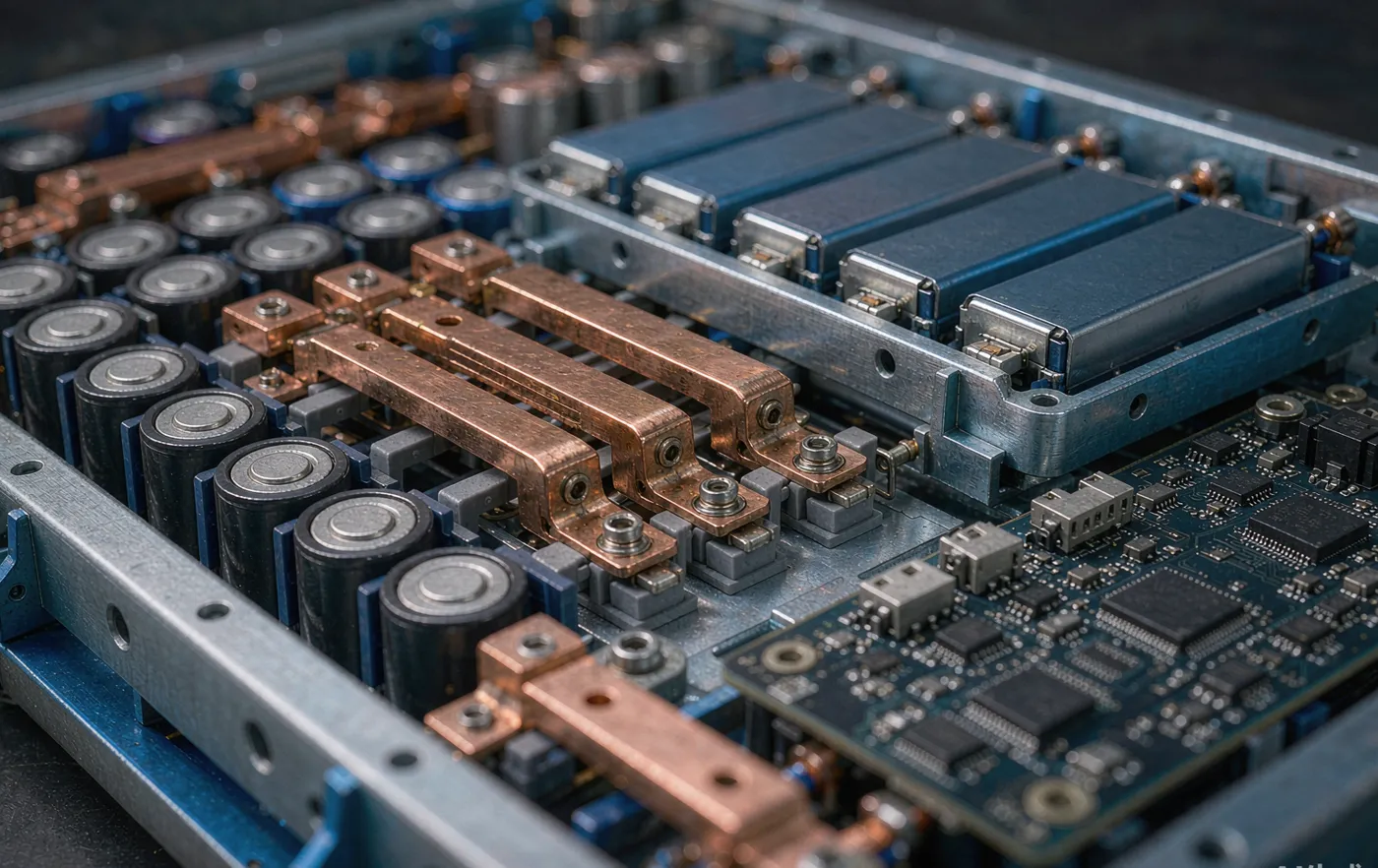
When buying an energy storage system, "which cell chemistry" deserves as much scrutiny as "how many kWh". Today the industry has three mainstream routes — lithium iron phosphate (LFP), ternary lithium (NCM/NCA) and sodium-ion — none strictly better, each matched to different scenarios. Let's compare them across four dimensions.
Thermal runaway is the biggest threat to lithium battery safety. LFP's olivine crystal structure is extremely stable at high temperature — it decomposes at a higher threshold, releases less heat and essentially no oxygen. Ternary cells offer higher energy density but weaker thermal stability; once runaway starts, propagation is faster. This is why LFP is the overwhelming choice for residential applications and utility-scale plants where safety margins matter most. Cell-level safety is only the first step, though — BMS strategy, fire suppression and thermal management matter just as much.
A storage battery cycles roughly once a day, so cycle life directly determines the cost per kWh delivered. Mainstream LFP cells achieve 6,000–10,000+ cycles — 16–27 years at one cycle per day, though calendar aging usually caps the design life at 10–15 years. Ternary cells typically deliver 2,000–4,000 cycles, better suited to weight-sensitive uses rather than daily deep cycling. This is why EV batteries and storage batteries share a name but not a mission.
NMC cells reach 250Wh/kg and above; LFP sits at 160–210Wh/kg; sodium-ion currently around 120–160Wh/kg. Density decides how much energy fits in the same space. For weight-critical uses — passenger cars, portable devices — ternary wins. But most storage systems live on floors and walls where space is cheap, so LFP's density gap is rarely decisive there.
Sodium-ion shines in two ways: low-temperature performance (usable discharge at -20℃ where lithium capacity visibly fades) and resource security (abundant sodium, no dependence on lithium, cobalt or nickel with their price volatility and supply risks). Energy density and supply-chain maturity still trail lithium, but in cold-climate storage, telecom base stations and highly cost-sensitive markets, sodium-ion is finding its place fast.
One last reminder: cell chemistry is only the starting point. The same LFP cells, packaged and managed with different craftsmanship, BMS strategies and thermal designs, can deliver lifespans that differ more than the gap between brands. When choosing a system, always choose the whole — not the cell.

Our mission and vision: Customer first, be the energy storage solution provider that creates the most value for customers.
 hrg1102@outlook.com