2026-10-22
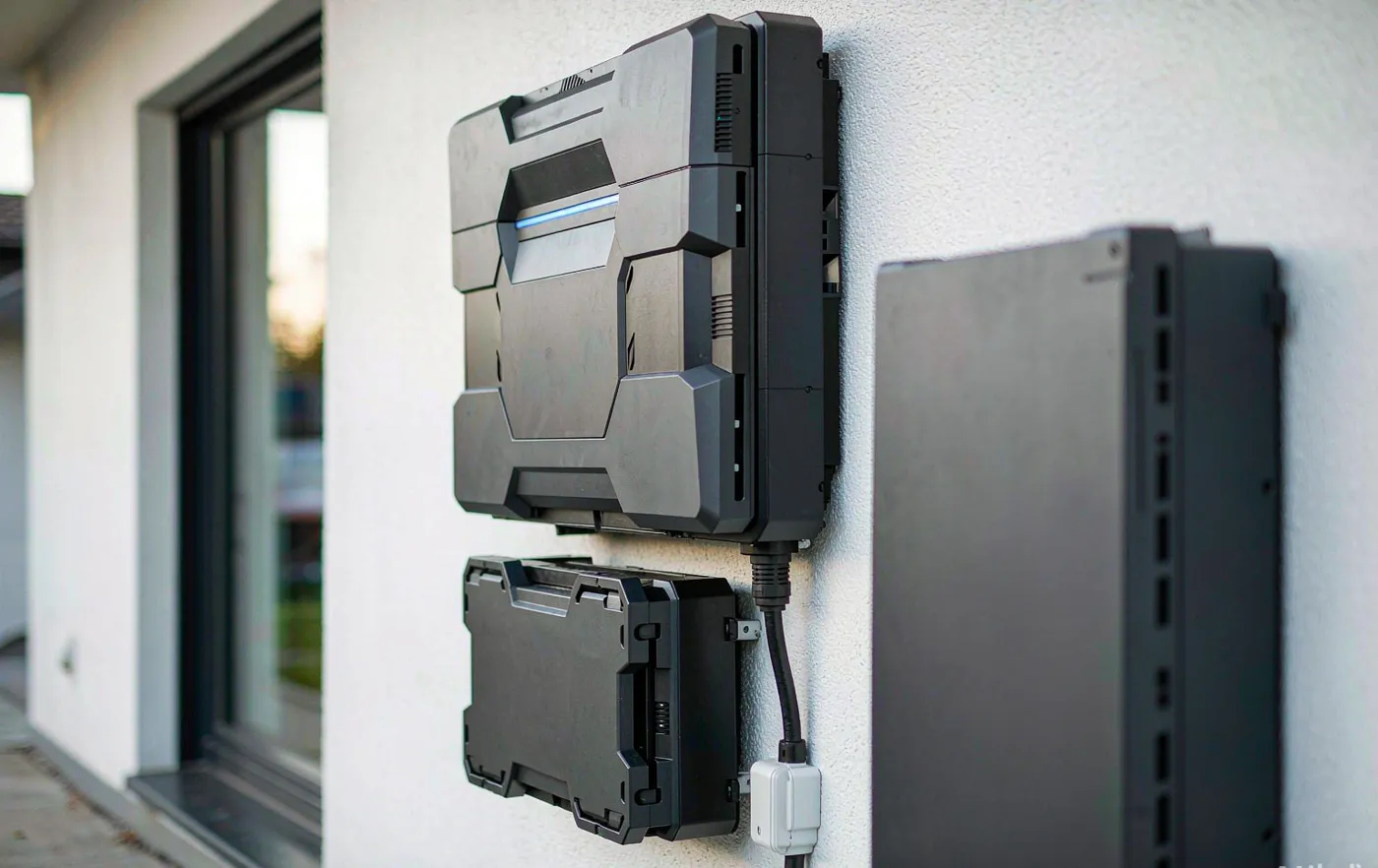
Mention an Energy Storage System (ESS) and many people picture "a very big battery". That is only half right — the battery stores energy, but getting electricity safely in and cleanly out relies on a set of equipment working in concert. Broken down, an ESS has four core building blocks.
Take a home "solar + storage" system. During the day, when PV output exceeds household load, the EMS identifies the surplus and instructs the PCS to rectify the AC surplus into DC and charge the battery. The BMS watches every cell throughout, keeping current and voltage inside the safe window.
At night, when PV steps back and tariffs rise, the EMS issues a discharge command: the PCS inverts DC back to AC to power the home, while the BMS continuously recalibrates remaining capacity and state of health until the next charging cycle.
The battery decides how much energy the system can hold, the BMS how safely it runs, the PCS how fast it can charge and discharge, and the EMS how intelligently it operates. A weakness in any one of them drags down the whole system — which is why, when evaluating an ESS, you should look beyond capacity and cycle life to how well the BMS strategy, PCS efficiency and EMS logic fit together.
With this framework in mind, the parameters on a datasheet become much clearer. In the following articles we will look at how residential and C&I systems differ, how to choose between LFP, sodium-ion and other battery chemistries, and what really determines the lifespan of an ESS.

Our mission and vision: Customer first, be the energy storage solution provider that creates the most value for customers.
 hrg1102@outlook.com